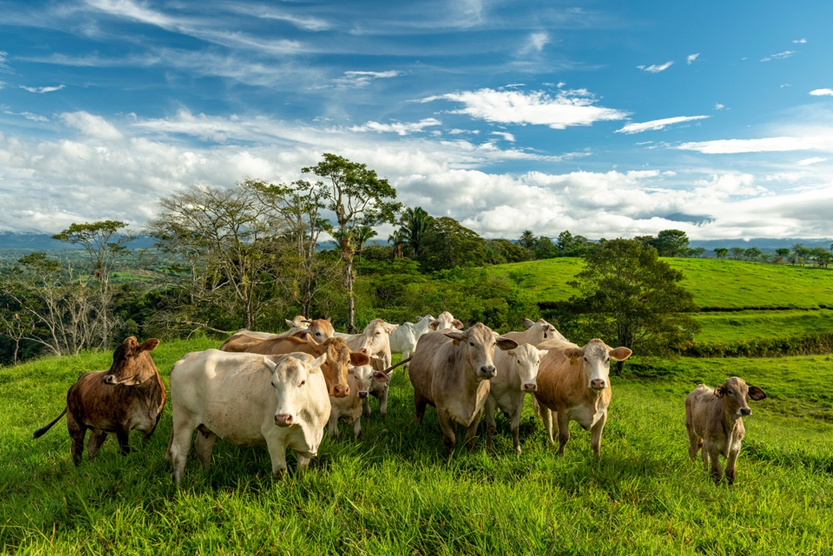
Drive through South Texas on a nasty July afternoon and you’ll see it. Most cattle are hunting shade, panting, looking wrecked. One cow just stands there in full sun like it’s nothing. That’s a brahman cow, and no, it isn’t luck. It’s a breed built for this exact kind of weather, and has been for over a hundred years now.
This is a brahman cow, part of the Bos indicus family, cattle whose roots trace to India rather than the European lines most people picture when someone says “cattle.” Once you’ve seen one in person, you won’t forget her. Hump on the back. Loose skin hanging under the neck. Ears that flop instead of standing up. This guide covers what makes her different, why ranches from Texas to Brazil build entire herds around her, and what you actually need to know before bringing one home.
What Is A Brahman Cow
Put plainly, a brahman cow is an adult female from the Bos indicus family, cattle that originally came out of India. That Indian ancestry is basically why she looks and behaves so differently from something like an Angus or a Hereford. Hump. Loose neck skin. Ears that hang instead of stand.
What separates her from a bull isn’t just size, though she is smaller, usually by a few hundred pounds. It’s her role. She raises the calves. She passes heat tolerance down to the next generation. She often sticks around years longer than cattle from other breeds. Nobody keeps her around just for looks.
There’s real history behind this breed in America too. More than a hundred years back, breeders imported Bos indicus cattle from India and started crossing them with cattle already established here. It sounded straightforward enough on paper, but pulling it off took decades of trial and error, all in pursuit of an animal tough enough to handle Gulf Coast heat and humidity without breaking down. Most people picking up a brahman cow today probably never think about any of that backstory, but it’s still baked into every trait she has.
Physical Characteristics Of A Brahman Cow
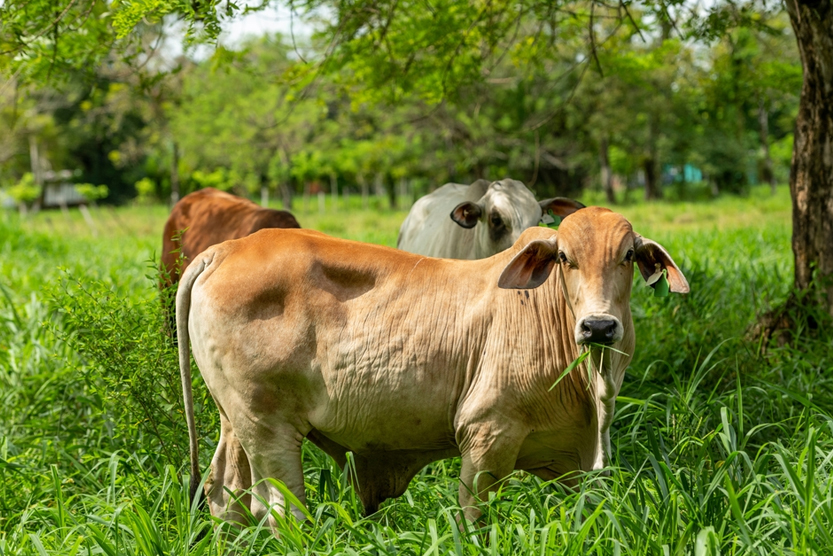
You’d spot a brahman cow from fifty yards away in a mixed herd. No exaggeration needed here. That hump sitting above her shoulders isn’t bone at all, it’s muscle and fatty tissue. A few researchers believe it works almost like an energy reserve and helps her manage body heat, which tracks with pretty much everything else this breed was built for.
The ears give her away just as fast. Long, floppy, hanging well past where you’d expect on a typical beef breed. That loose, wrinkled skin around her neck (called the dewlap) isn’t cosmetic either. More surface area means she sheds heat faster than tighter skinned cattle. Simple biology, and it works.
Color throws people off sometimes because it varies more than expected. Grey and red dominate registered American herds, though white, brown, and darker shades show up depending on the bloodline. Her skin carries more pigment than most cattle too, which protects her from sunburn, something lighter skinned breeds deal with constantly under hours of direct sun.
Here’s something most people never learn about her. She actually carries more functional sweat glands than a lot of other cattle breeds, so instead of leaning mainly on panting to cool off, she sweats it out much the way we do. Small detail, sure, but it goes a long way toward explaining why ranchers from Texas down through Brazil and over in Australia have kept betting on this breed for so long.
A full grown brahman cow generally lands somewhere between 1000 and 1400 pounds, quite a bit lighter than a bull, which can clear 2000 without much trouble. She reads tall and lean rather than bulky, built more for going the distance than for raw size.
Temperament And Behavior Of Brahman Cows
First time buyers get this wrong constantly. Big animal, weird hump, unfamiliar look. Must be mean, right? Not really. Ranchers who’ve worked cattle for decades will tell you brahman cattle are often calmer and quicker to learn than flightier European breeds, assuming someone handles them with a bit of patience.
Now, to be fair, a brahman cow with a young calf can get protective fast. That’s true of basically every cattle breed alive though, not something specific to this one. What actually matters, according to people who’ve spent years around them, is calm and predictable handling. Spook any cow. Corner her. Rush her. She reacts defensively. Brahman or not, doesn’t matter.
What surprises newcomers is how fast these cattle learn a routine. They know feeding time. They respond to voices they recognize. They settle into a herd’s pecking order without much drama. Probably part of why so many commercial operations across the southern US, Brazil, and Australia lean so hard on brahman genetics for their maternal lines. A calm cow means fewer injuries and less wasted time for whoever’s out there handling her, and honestly, that ends up mattering just as much as pounds of beef by the end of the season.
What Brahman Cows Are Used For
She wears more than one hat on a working ranch. Beef production sits at the top of that list. Brahman influenced cattle convert grass into beef efficiently, especially where forage quality tanks during dry stretches. She holds condition on lower quality grass better than most European breeds manage, which keeps feed bills down for operations trying to run lean.
Milk trips people up. She’s not a dairy breed the way a Holstein is, not even close. But she makes enough milk to raise a strong, fast growing calf, which is really all a beef operation needs from her. Interesting side note: some Bos indicus lines in India and Brazil were actually bred specifically for higher milk yield. That’s just not the focus over here in American breeding programs.
If there’s one reason this breed refuses to fade out, it’s crossbreeding. Pair a brahman cow with an Angus or a Hereford bull, and the calves tend to show real hybrid vigor. Faster growth. Better disease resistance. Stronger heat tolerance than either parent alone manages by itself. Popular composite breeds like Brangus and Brahmousin exist basically because of this exact trait.
Then there’s how long she stays useful. A lot of brahman cows keep calving reliably well into their teenage years, which stretches a rancher’s investment much further than breeds that slow down earlier in life.
Benefits And Drawbacks Of Raising Brahman Cows
No breed works everywhere. Anyone telling you otherwise is selling something. Here’s a straight comparison.
| Category | Brahman Cow Strength | Potential Drawback |
| Climate Adaptability | Excellent in heat and humidity | Needs shelter in extreme cold |
| Disease Resistance | Strong natural resistance to ticks and parasites | Still requires basic herd health care |
| Maternal Ability | Strong mothering instinct, long reproductive life | Calves may mature a bit slower |
| Carcass Quality | Lean, efficient beef production | Purebred marbling can trail top marbling breeds |
| Temperament | Generally calm with proper handling | Protective around calves, like most cattle |
| Feed Efficiency | Thrives on lower quality forage | Slower early growth versus some European breeds |
She does her best work in hot, humid, or drought prone regions where other breeds simply can’t hold weight. Ranching somewhere with harsh winters and barely any real heat stress? A purebred brahman might not be your first pick. Crossbred options usually close that gap though, worth keeping in mind.
How Much Does A Brahman Cow Cost
Prices swing a lot. Age, pedigree, and registration status all play into it. A commercial grade cow without papers runs cheaper than a registered animal with a documented bloodline from a known breeder. Registered females from proven maternal lines, especially with strong show or performance records behind them, can carry a real premium over the average.
Location matters too, more than a lot of first time buyers expect. Buying in Texas, where brahman cattle are common and sellers compete hard for buyers, usually costs less than sourcing from some smaller regional market with thin supply. Auction prices shift with the broader cattle market as well, so what she sells for this spring might look completely different by fall.
Get a few quotes before committing to anything. A quick call to your local extension office, or a regional cattle association, can give you a realistic read on fair market value before you start negotiating with anyone.
Buying And Caring For A Brahman Cow
Do a little homework first. Ask for registration papers if a purebred animal matters to you, and don’t hesitate to ask for health records and vaccination history. A reputable breeder hands this over without any fuss.
Day to day care stays fairly simple once she’s settled. Shade, clean water (especially through summer), basic mineral supplementation, routine parasite control. That’s really it. Thanks to her natural heat tolerance, you’ll spend way less time worrying about heat stress than you would with European breeds surviving a brutal August.
Something seasoned ranchers bring up again and again, almost like a rite of passage: patience during the first few weeks matters. A new cow needs time to find her spot in the herd’s pecking order and figure out her new routine. Rush that, and you’ll usually create more stress for her, and honestly for yourself too, than it’s worth in the long run.
A solid fence line matters more than people expect going in. Brahman cattle are strong and curious, and a flimsy fence that might hold some smaller, more docile breed just won’t cut it here. Put up real perimeter fencing before she arrives. Saves a lot of headaches later, especially while she’s still adjusting to unfamiliar pasture.
Final Takeaway
A brahman cow didn’t happen by accident. Over a hundred years of deliberate breeding went into shaping an animal that could handle heat, humidity, and parasites that leave plenty of other cattle struggling. Whether you’re running hundreds of head commercially or just weighing your very first purchase, knowing what she’s good at, and where she comes up short, gives you a much better shot at picking the right fit for your land.
Frequently Asked Questions
What is the lifespan of a brahman cow? Fifteen to twenty years is typical. Plenty stay productive well into their teens too, longer than several other common beef breeds tend to manage.
Are brahman cows good for milk or only beef? Mostly beef. She makes enough milk to raise a healthy calf but isn’t treated as a dedicated dairy breed in the US.
Do all brahman cows have humps? Nearly all purebred ones do, though size varies depending on the individual and how much Bos indicus blood shows up in a crossbred animal.
Are brahman cows aggressive? Not really, no. Solid reputation for being docile and quick to learn. A cow with a young calf might get more protective for a while, but that’s normal across pretty much any breed.
What is the difference between a brahman cow and a brahman bull? Cow: smaller, calmer, focused on calving and raising the herd’s next generation. Bull: bigger, used mainly for breeding, often outweighing her by several hundred pounds.
Can brahman cows survive in cold climates? Yes, with extra shelter and care through winter. Her heat tolerant traits were bred for hot, humid environments originally, not freezing ones, so cold weather just takes more management on your end.