Buying a piece of land or land for sale is not like buying a house. A house has a roof and walls. You can move in on a certain day.. A piece of land is just that. Land. You have the dirt and the boundaries. That is it. This is what people like about it. They do not have to accept someone Plan for sale the land or choose what they want to do with the land or put something on it.
This can also cause problems for people. The land is like a piece of paper. Buying a piece of land is a thing. People like the fact that the land’s empty and they can make their own decisions, about the land. The land is dirt and boundaries and possibilities. This is what makes buying a piece of land appealing to people.
A house tells you what you’re getting. Land makes you dig for it – zoning rules, road access, whether water and power even reach the property line. Do not bother with that homework. What seems like a good deal can become a very expensive problem very quickly.
This guide will tell you what you really need to know before you buy land: the kinds of land that are available how the prices of land really work the ways you can pay for land the common mistakes people make when buying land and the steps you need to take to go from looking at land listings to finalizing the purchase of land.
What “Land for Sale” Actually Covers
When people talk about land for sale it can mean a lot of things. Like a small piece of land in a neighborhood a big farm with forty acres a place to hunt in the woods or a empty piece of land with just trees and a dirt road. The value of the land for sale and what you can do with it really depends on where it’s what the rules are for that area and if things like water and electricity are already there.
Residential Land
This type of land for sale is meant for houses. Like lots in a neighborhood individual plots of land to build a house or bigger pieces of land for sale that can have one house or many houses. Some of these lots are ready to go with nice roads, electricity, water and sewer set up. Others need some work before you can start building.
There are a things you should check before you buy land for sale: what the local rules are, if you can really get utilities like water and electricity what is happening in the neighborhood, which school district the land for sale is in and how much you will have to pay in taxes on the land, for sale.
Commercial Land
Meant for offices, retail, warehouses, hotels, restaurants – anything income-generating. These parcels usually sit in high-traffic, high-growth areas, which is exactly why they cost more. Before buying, look into zoning, environmental assessments, parking requirements, and what the city has planned nearby. Visibility and traffic count for a lot here; a great building on a road nobody drives down won’t perform.
Agricultural and Farm Land
Bigger acreages, usually further from cities, meant for crops, livestock, orchards, or ranching. Value depends heavily on soil quality, water rights, irrigation, drainage, and climate – not just acreage. Farmland has historically held up well as a long-term investment, partly because it can generate income (through leasing or crop production) even while you hold it.
Before you buy, confirm water rights and any conservation easements attached to the property – these can restrict what you’re allowed to do even if zoning technically allows it.
Recreational Land
Bought for enjoyment rather than development – hunting, fishing, camping, ATV riding, a quiet weekend retreat. People like to buy land with forests, rivers, lakes and open meadows. Some people buy this land. Then build cabins or houses on it if the rules of the area let them. When you are looking at land to buy you should check a things.
Vacant vs. Raw Land
Some people use these words to mean the thing but that is not correct. Vacant land is land with no buildings on it. But it might already have roads lines to show where the land starts and stops or some utilities, like water or electricity. Raw land is untouched – no power, no water, no roads, nothing. Raw land is Land for Sale usually cheaper, but you’ll pay for that discount later in development costs. Vacant improved lots cost more upfront but get you to a build a lot faster.
Why People Actually Buy Land
To build. Rather than settle for an existing house, buyers choose the location, layout, and design themselves. Some want a lot in a growing suburb for the schools and amenities; others want acreage out in the country for privacy and space. Either way, checking zoning, utilities, and road access before you buy saves you from expensive surprises mid-build.
As an investment. Land is finite – they’re not making more of it – and well-located parcels tend to appreciate as cities expand and infrastructure improves. Some buyers hold raw land purely betting on future development pushing its value up. Land also tends to need less hands-on management than a rental property, which appeals to investors who don’t want a second job managing tenants.
For farming or ranching. Buyers look for fertile soil, reliable water, and enough acreage to make the operation viable – crops, livestock, orchards, vineyards, even timber. Farmland can also generate lease income from local farmers while it appreciates, which is a nice combination most other investments can’t offer.
For business expansion. Retail centers, warehouses, offices – commercial land is the foundation businesses build growth on. Location and traffic patterns usually matter more here than almost anything else.
For long-term wealth. Because land usually costs less to take care of than developed property some investors see it as a way to mix things up and grow their wealth over time or even for their kids. It is not without risk. If you look into how the local area is growing it can be a good part of a bigger plan, for your money.
Where to Actually Find Land
Online listings are the obvious starting point – filter by price, acreage, location, zoning, whatever matters to you. Just don’t take the listing at face value. Photos and descriptions can be flattering. You should go to the place in person. Look at the county records. This will help you confirm the details for yourself before you decide to make an offer.
A local real estate agent who specializes in land can be a help, to you. The local real estate agent knows about the zoning rules and what is going on in the market. They also often find out about listings before anyone else does.
Worth the commission if you’re new to this.
County auctions can turn up land below market value – usually properties seized for unpaid taxes or through foreclosure. The catch: these are often sold as-is, so you’re on the hook for whatever legal or financial issues come attached. Do your homework on title records and liens before bidding.
Owner financing means you pay the seller directly instead of going through a bank. This can work well if your credit isn’t great or you want a faster close, but get a real estate attorney to look over the terms – interest rate, payment schedule, balloon payments, what happens if you’re late.
Off-market deals – Off-market deals. These are properties that the owners might be willing to sell. They are not listed anywhere. Usually come from talking to people contacting landowners out of the blue or having a good relationship with local real estate agents and investors. When you find a property like this there are usually people trying to buy it which means you have more room to negotiate the price.
Wherever you find the property you need to do the things: find out who really owns it check all the legal papers go see the land for yourself and think about what you could do with it before you decide to buy it.
What to Check Before You Buy
Location. This is really important because it affects the price of the property now and how much it will be worth in the future. You should look at how close the property’s to schools and hospitals how easy it is to get to the highway what kind of jobs are available in the area whether the population is growing or shrinking how much crime there is and what new roads or buildings are being planned.
The location of the property is very important to types of buyers. People who want to live in a house care, about the neighborhood investors want to buy in areas that are growing and farmers need good soil and water.
Zoning. This determines what you’re legally allowed to build or do on the land — residential, commercial, agricultural, whatever. Zoning can restrict building height, lot size, livestock, subdivision rights, and more. Even if a property looks perfect for your plans, check with the local planning department before you buy — don’t assume. If you’d need a rezoning to do what you want, find out how likely that approval is and what it costs before you get attached to the idea.
Utilities and road access. You need to check if the property has electricity, electricity, water, water, sewer, sewer, gas, gas and internet internet. It is important that these things are actually at the property not somewhere near it. If they are not there you will have to pay for things like wells, wells, septic systems or power lines power lines to be put in. This can cost a lot of money. You should also make sure you can get to the property by a road, legal road. Some properties, in the country, country are only connected to the road by a path that goes through someone Land someone else land. This can cause problems, problems.
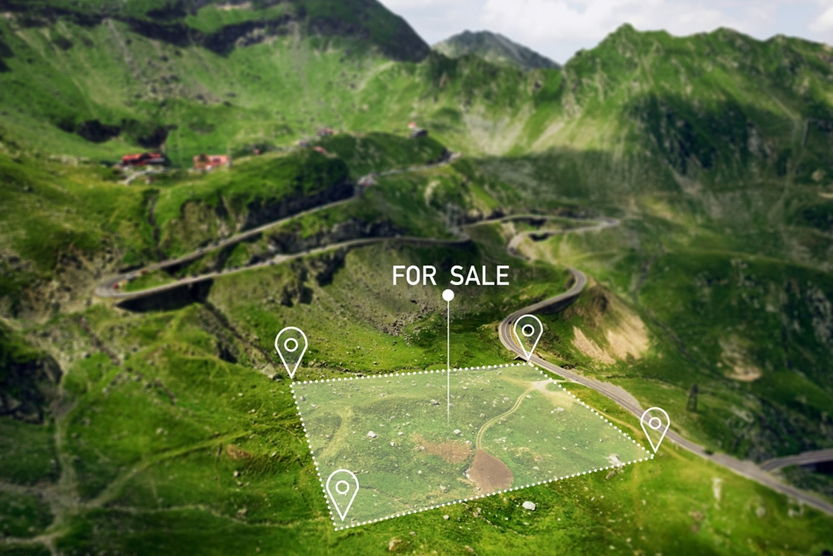
Boundaries. You should get a survey done before you buy a piece of land. This survey will tell you where the boundaries of the land are, how many acres you are getting and if there are any fences already on the land. It will also show you if someone else is using part of your land without your permission or if there are any rules you have to follow.
This is especially important if you are buying land in an area or a place that has not been developed yet because it can be hard to see where the boundaries are. If you do not get a survey done you might have problems with your neighbors
Flood zones and environmental risk. You also need to think about flood zones and the risk of damage to the environment. Look at what FEMA says about flood zones and check if there are any wetlands or places where animals live that are protected. You should also find out if the soil is stable if there is a risk of wildfires and if the land has been contaminated before.
If the land is in a flood zone it will probably cost more to insure it. There may be stricter rules, about what you can build on it which will change how much it really costs you to own the land.
Future development nearby. Pull up local planning documents to see what’s coming — new highways, schools, shopping centers, industrial parks. Good development nearby can boost your land’s value; a new industrial site next to a quiet residential lot might do the opposite.
How Land Gets Priced
When you think about land it is not like a house. The value of a house is in the house itself. The value of land is in the location what is allowed to be built on it and what it can be used for. Two pieces of land that are the size can have very different prices because of what is around them and what is already available on the land.
To compare properties it is helpful to look at the price per acre. You can figure this out by dividing the price of the land by the total number of acres. For example a 10-acre piece of land that costs $200,000 works out to $20,000 per acre. A 40-acre piece of land that costs $600,000 works out to $15,000 per acre.
This is a way to compare properties but it is not the only thing to consider. A small piece of land in a city will usually cost more per acre than a piece of land in the country because more people want to buy land in the city. Whether. Not the land has access to utilities, roads and what is allowed to be built on it can also make a big difference in the price per acre even if the properties seem similar. Land pricing is really, about the location, zoning and potential of the land itself.
Rural vs. urban. Rural land usually costs less per acre. You get more room but you will probably have to pay for things like roads and water yourself. Land in the city is more expensive because it is close to work, schools and stores.. There is just not as much of it. The decision to buy urban land depends on how much money you have, what you want to do and whether you want a lot of space or want to be close to things.
- Things to think about when buying land include:
- how many people are moving to the area
- how many people want to buy houses
- interest rates
- inflation
- new roads and buildings being built.
When interest rates go up it can slow down the market for a while which can be a good time for buyers who are willing to negotiate. Of worrying about the price of land today it is better to think about what the area will be like in five to ten years. Rural land and urban land have advantages so you have to decide what is important, to you and choose the type of land that makes sense for your plans and your budget whether it is rural land or urban land.
Paying For It
Land loans work differently than home mortgages – since there’s no structure to serve as collateral, lenders treat them as riskier and price accordingly.
Land loans come in three flavors: raw land loans (completely undeveloped, hardest to get financed), unimproved land loans (some infrastructure nearby), and improved land loans (utilities and access already in place, easiest to finance). Down payments typically run 20–50%, noticeably higher than a home mortgage, and interest rates tend to run higher too. Shop around – banks, credit unions, and farm credit institutions all price these differently.
Owner financing skips the bank entirely – you pay the seller directly. This is a choice if your credit history is not very strong you work for yourself or you want to finish the process quickly. You should read the contract carefully and make sure you understand things, like the interest rate how you will make payments and what happens if you cannot make a payment. It is an idea to have a lawyer look at the contract before you sign it.
Cash purchases something with cash is usually the way to do it. You do not have to deal with a lender you do not have to pay interest. You can usually make a decision quickly. When you pay with cash you also have power to negotiate the price because the seller does not have to worry about the problems that can come with financing.
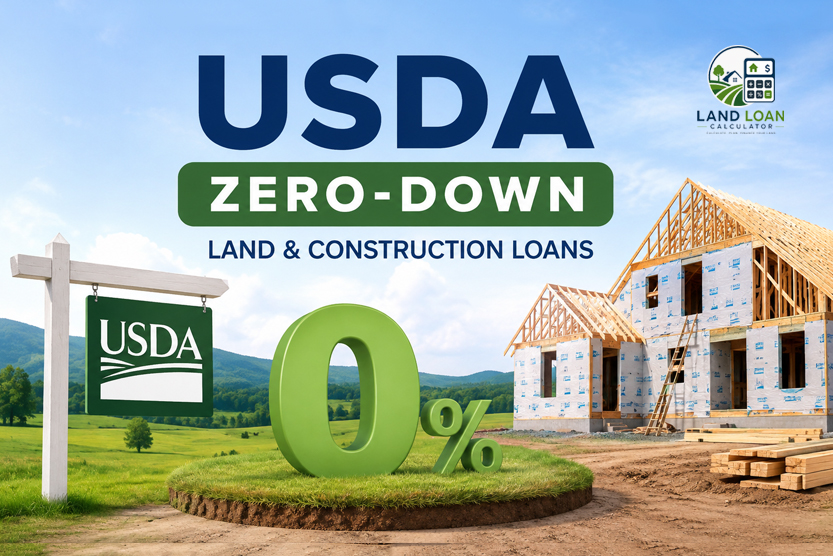
USDA and other rural programs can help buyers purchase land in eligible rural areas or for agricultural use, sometimes with better terms than conventional loans – lower down payments, longer terms, reduced rates. Worth checking what’s available in your state before assuming a conventional loan is your only option.
Land Types, One More Time (Because They Matter for Your Wallet)
Raw land – When you buy land that’s the cheapest upfront you will have to pay for a lot of other things before you can start building. These things include clearing the land grading it digging wells installing systems and setting up utility lines. This type of land is good for people who want to be able to do things their way and do not mind doing some extra work.
Improved land – is different because it already has some things, like electricity and water. You can also get to it by road. It may have drainage systems and permits already in place.
Infill lots – are spaces inside neighborhoods that already have houses. They usually have water and electricity connections and roads are already built. These lots are very expensive because there is not land left in cities but its easy to get permits and many people want to buy them again. Before buying you should check the homeowners association rules and requirements for building.
Acreage properties – are pieces of land where you can build a custom home, farm or ranch. They offer privacy and flexibility and sometimes you can even divide the land into smaller pieces. However you will have responsibilities, such as fixing fences paying taxes and maintaining the land.
Waterfront land – is land next, to lakes, rivers or oceans. It’s very pretty and many people want to buy it so it’s quite expensive.. There are extra things to think about like getting flood insurance following shoreline rules and dealing with erosion. You may also need permits to build docks or use the water.
Mistakes That Cost People Money
Skipping the survey. Sellers might give you rough boundary info, but only a licensed survey nails down the actual lines, acreage, and any encroachments. Skip it and you risk buying a boundary dispute along with the land.
Ignoring easements. An easement gives someone else — a utility company, a neighbor, the government — legal rights to use part of your property. These can quietly restrict where you’re allowed to build or fence. Check the title report and survey before closing, not after.
Assuming utilities are there. Don’t guess. Confirm electricity, water, sewer, and internet access directly. If they’re not there, budget realistically for wells, septic systems, or running lines — this can add tens of thousands to a project people didn’t plan for.
Skipping due diligence altogether. Title search, survey, zoning check, environmental assessment, flood zone review, tax history – none of these are optional just because the price looked good. Walk the land yourself too; photos never show you the drainage, the terrain, or what the neighbors are up to.
Forgetting future costs. The sticker price is just the entry fee. Factor in property taxes, closing costs, title insurance, permits, clearing, grading, and – if you’re building Land for Sale engineering and construction costs down the road. A lot of first-time buyers get the purchase price right and blow the rest of the budget.
The Actual Process, Step by Step
- Set a real budget. Not just the purchase price Land for Sale – closing costs, taxes, survey fees, title insurance, loan fees if you’re financing, and a cushion for the unexpected.
- Research properties. Compare multiple listings rather than falling for the first one. Look at size, price, zoning, access, utilities, and what’s happening nearby. Check comparable sales to see if the asking price is realistic.
- Walk the land. In person, every time. Look at the terrain, drainage, soil, vegetation, road access, and anything that might signal an environmental issue. If you’re planning to build or Land for Sale, bring in someone for soil testing or an engineering assessment.
- Check the paperwork. Deed, title report, survey, tax records, easement agreements, zoning confirmation, any restrictive covenants. A title search especially matters – it’ll surface liens or ownership disputes that could bite you later. When in doubt, get a real estate attorney to look it over.
- Line up financing. Compare lenders Land for Sale if you’re not paying cash – rates, terms, down payment requirements, fees. Getting pre-approved before you negotiate strengthens your offer.
- Close. Sign the paperwork, finalize financing, pay closing costs and the down payment, get the title transferred, and make sure the deed gets recorded with the local authority before Land for Sale. Keep copies of everything – survey, deed, tax records, financing agreements – somewhere safe.
Is Land Actually a Good Investment?
It can be, but it’s not automatic. Land tends to appreciate when nearby areas grow – new subdivisions, business parks, highways, population growth. But appreciation isn’t guaranteed, and it can be slow, especially in areas without much demand.
A lot of investors take a buy-and-hold approach: no immediate development plans, just letting the land sit and appreciate. Compared to rental property, this comes with less hassle – no tenants, lower maintenance, lower insurance. Some owners generate a bit of income along the way by leasing for farming, grazing, timber, or even renewable energy projects.
The risks are real though: slow markets, zoning surprises, flood or wildfire exposure, and the fact that land generally takes longer to sell than a house because the buyer pool is smaller. Good due diligence and realistic expectations go a long way toward managing that risk.
Your actual return depends on purchase price, how long you hold it, market appreciation, and what you eventually do with it — sell, develop, subdivide, or lease. Land investors who do well tend to think in years, not months, and focus on regional growth trends rather than chasing quick flips.
FAQ
How to find land for sale
The best way is to search reputable real estate websites, work with a local land specialist, check county property listings, and explore the area for “For Sale” signs.
What Is the Typical Commission for Land Sales?
The typical commission for land sales ranges from 5% to 10% of the final sale price, although the exact amount depends on the property’s value, location, and how difficult it is to sell.
How much does land cost?
Varies enormously by location, size, zoning, and utility access. Urban and waterfront land runs highest; rural and undeveloped land is generally cheaper. Comparing recent sales nearby and calculating price per acre helps you sanity-check a listing.
Can I finance land?
Yes – land loans, owner financing, agricultural lenders, credit unions, and some government-backed programs are all options, depending on the property type and your financial profile.
Is raw land worth buying?
Can be, especially for patient buyers. It’s usually cheaper and more flexible, but factor in the real cost of development – clearing, utilities, road access – before assuming it’s the better deal.
What should I check before buying?
Check the property boundaries with a survey, review zoning regulations, confirm utility and road access, verify the title status and easements, assess flood and environmental risks, review property taxes, and research nearby development plans.
How do I know if land can be built on?
Call the local planning or zoning office to confirm what’s allowed, then check utilities, soil, flood risk, and road access. A survey and in-person inspection will catch anything the paperwork misses.
Land or a house – which is better?
Depends what you want. Land gives you flexibility and usually lower maintenance, but no immediate place to live and no rental income. A house gives you both of those right away. Pick based on your actual goals, not just which sounds better on paper.
Can I buy with no money down?
Rare with traditional lenders, though some owner-financing deals get close. Most financing still requires some down payment, the amount depending on the lender and property type.
What taxes come with owning land?
Annual property taxes based on assessed value, plus possibly transfer taxes, recording fees, and capital gains tax if you sell for a profit. This varies by state, so it’s worth a quick conversation with a tax professional before you buy.
Final Thoughts
Buying land isn’t complicated, but it does reward patience. The people who end up happy with their purchase are usually the ones who walked the property themselves, pulled the title report, checked zoning before falling in love with a plan, and budgeted for the stuff that doesn’t show up in the listing price.
Define what you actually want the land for, set a realistic budget, compare more than one property, and lean on professionals – agents, surveyors, attorneys, lenders – where it counts. Land can be a genuinely good long-term investment or the foundation for the home you actually want to live in. Just go in with your eyes open.